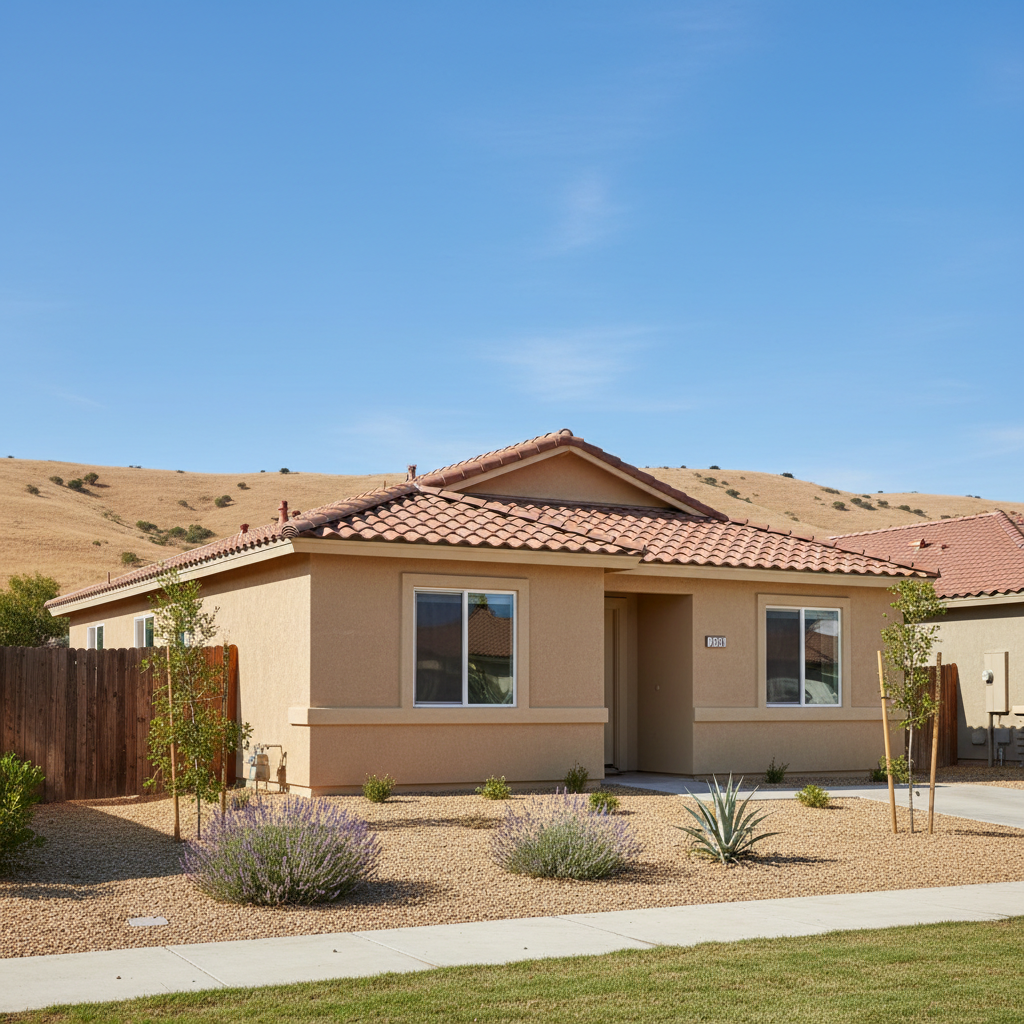
Alright, let's talk about EIFS. Exterior Insulation and Finish Systems, or EIFS, is a really solid choice for many homes right here in Clovis. It gives you that classic stucco look, but with some serious insulation benefits that can truly make a difference during our scorching summer days. So, what's it actually going to cost you? That's precisely what I'm here to clear up.
What Makes EIFS Pricing Go Up or Down?
When you're getting quotes for EIFS installation, you'll definitely see a range of prices. That's totally normal, because a few key things really push those numbers around:
- The Size and Complexity of Your Home: This is a huge factor. A simple, flat wall is much easier and quicker to cover than a house with a bunch of gables, dormers, or intricate architectural details. Every single corner, every window, every door opening adds labor and material complexity. The more cuts and custom work needed, the higher the cost, naturally. Just think about those older homes in Old Town Clovis with all their unique features – they'll naturally cost more than a straightforward tract home out in Loma Vista, won't they?
- Material Quality: Not all EIFS systems are created equal, you know. You've got different types of insulation boards, various base coats, and a huge range of finish textures and colors. Generally, higher quality materials last longer and perform better, but they do come with a higher price tag. We're talking about the difference between a standard smooth finish and, say, a specialty aggregate finish.
- Substrate Preparation: What's currently on your walls? If we're putting EIFS over existing siding that's in rough shape, or if there's any moisture damage that needs fixing first, that's definitely going to add to the prep work. Older homes, especially, might need some sheathing repair or air barrier upgrades before we even start applying the EIFS. This prep work can add 10-15% to the overall cost, but it's absolutely crucial for a long-lasting system.
- Accessibility: Is your house easy to get around? Are there tight spaces, or do we need extensive scaffolding and lifts to reach high areas? The harder it is for my crew to access the work areas, the more time and specialized equipment it takes, and that impacts labor costs.
- Local Labor Rates: This one's pretty straightforward. Skilled EIFS applicators are in demand, and their expertise is reflected in labor costs. Clovis has a good pool of talent, but quality work isn't cheap. Labor can account for a big chunk – 50-70% – of your total project cost.
- Permits and Inspections: You'll need permits for EIFS installation, and those come with fees. Plus, there are inspections to ensure everything's done to code. These are just non-negotiable costs you have to factor in.
Typical EIFS Cost Ranges in Clovis
Okay, let's get down to some actual numbers. Based on what I'm seeing out there in 2026, for a residential EIFS installation, you're generally looking at:
- $8 to $14 per square foot.
That's for the installed cost, including materials and labor. For an average-sized home, say 1,500 to 2,500 square feet of exterior wall, that can translate to a total project cost of roughly $16,000 to $28,000. Keep in mind, these are averages. If you have a particularly complex design or opt for premium finishes, it could definitely go higher.
To break it down a bit more, here's a general idea of where your money goes for a typical project:
- Materials (insulation, mesh, base, finish): Roughly $3 to $6 per square foot.
- Labor (certified applicators, setup, cleanup): Around $4 to $9 per square foot.
So, if you're doing a 2,000 sq ft home at, say, $11/sq ft, you're looking at around $22,000. Materials might be $10,000-$12,000, and labor could be $8,000-$10,000, with the rest covering equipment, permits, and waste disposal.
What's Included in a Quote?
A good, comprehensive quote from a contractor like Clovis Stucco & Plastering should clearly outline everything. Here's what you should expect to see:
- Detailed Scope of Work: This describes exactly what will be done, from surface preparation right through to the final finish.
- Material Specifications: The type of EIFS system, insulation thickness, specific base coats, mesh, and the chosen finish (color, texture).
- Square Footage Calculation: A clear measurement of the wall area to be covered.
- Labor Costs: The cost for the crew to install the system.
- Equipment Rental: Scaffolding, lifts, sprayers, etc.
- Permit Fees: The cost of obtaining necessary local building permits.
- Waste Removal and Cleanup: What happens to all the debris once the job is done.
- Warranty Information: Details on the warranty for both materials and workmanship.
- Payment Schedule: How and when payments are due.
Make sure your quote isn't just a single number. You really want to see that breakdown so you understand what you're paying for.
How to Avoid Overpaying for EIFS Installation
Nobody wants to get ripped off, right? Here's my advice for making sure you get a fair price for quality EIFS work:
- Get Multiple Quotes: This is probably the most important step. Talk to at least three different reputable contractors. This helps you compare prices and understand the different approaches and materials they might propose.
- Ask for a Detailed Breakdown: As I just mentioned, don't settle for a vague estimate. A good contractor will provide a comprehensive quote. If it's just a lump sum, push for more detail.
- Check References and Reviews: See what other homeowners in Clovis have to say about their experience with the contractor. Look for consistent quality and good communication.
- Understand the Warranty: A strong warranty on both materials and labor protects your investment. Make sure you know what's covered and for how long.
- Don't Automatically Go for the Lowest Bid: The cheapest option isn't always the best, especially with something as critical as your home's exterior. An unusually low bid can be a red flag for cutting corners on materials, labor, or even proper installation techniques. You definitely don't want to save a few bucks upfront only to face costly repairs down the line due to moisture intrusion or poor workmanship.
- Be Clear About Your Expectations: Make sure you and your contractor are on the same page about the finish, color, and any specific details. Misunderstandings can lead to change orders and unexpected costs.
- Address Repairs Early: If your existing exterior has issues, get them fixed before EIFS installation. Ignoring them will only lead to bigger, more expensive problems later.
EIFS is a great product when installed correctly. It provides excellent insulation, which is a real plus for keeping those PG&E bills down during our long, hot Clovis summers. Do your homework, ask the right questions, and you'll get a beautiful, durable exterior that adds value to your home for years to come.