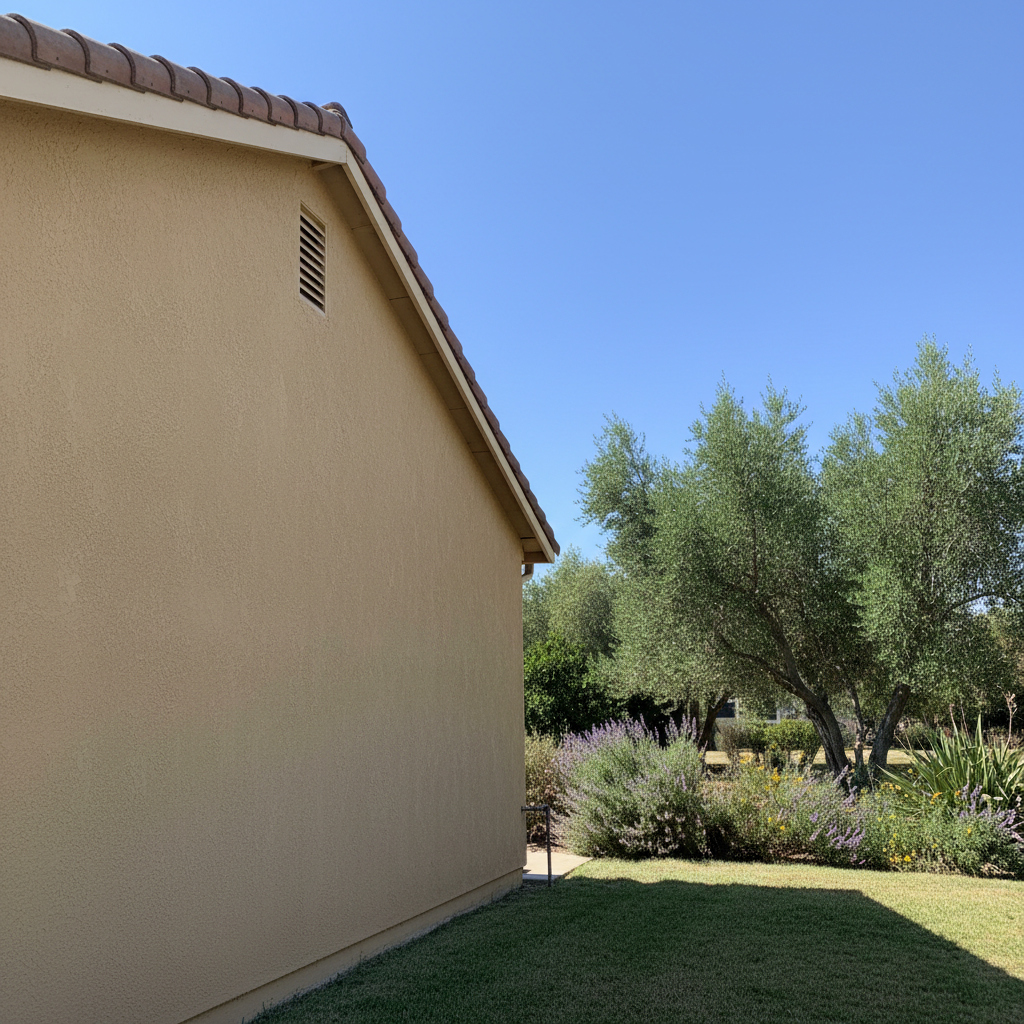
Alright, let's talk stucco. You've got it on your home, and you probably love how it looks and how tough it is. But here in Clovis, with our scorching summers and those surprisingly chilly, damp winters, your stucco needs more than just good looks to truly last. I've been working with stucco for years through Clovis Stucco & Plastering, and believe me, I've seen firsthand what really works (and what doesn't) to keep it in top shape.
Extend Its Life: Proactive Steps for Clovis Homes
You want your stucco to last, right? It's a big investment, after all. The good news is, with just a few proactive habits, you can really extend its lifespan—often for 50-80 years or even longer. A lot of folks think stucco is practically bulletproof, but honestly, it's all about managing moisture and movement, especially given our local climate.
- Keep it Clean, Gently: Dirt, dust, and even that occasional Central Valley grime can build up. A gentle cleaning once a year usually does the trick. Just use a garden hose to rinse off the loose stuff. If you need more, a mild detergent and a soft-bristled brush will work wonders. Now, if you're thinking about a pressure washer, be super careful. Keep it on a low setting (under 1,500 psi) and hold the nozzle at least two feet away. You really don't want to drive water into cracks or damage the finish.
- Trim Those Sprinklers: This is a big one I see constantly, especially in newer developments around Loma Vista. Sprinklers hitting your stucco all the time? That's a recipe for disaster. That continuous moisture can lead to staining, mold, and eventually, much bigger problems. Adjust your sprinkler heads so they're watering your plants, not your walls. It's a simple fix!
- Sealants and Caulking are Your Friends: Around windows, doors, and where different materials meet, sealants and caulk are absolutely critical. Over time, our intense sun can dry them out, causing them to crack and pull away. Check these areas annually and reapply as needed. This is your first line of defense against water getting behind the stucco.
- Mind Your Landscaping: Don't let soil, mulch, or dense shrubbery pile up against the base of your stucco. Your stucco needs to breathe, and you absolutely need to keep that weep screed clear. This is the metal strip at the bottom that lets any trapped moisture escape. Burying it defeats its whole purpose and can lead to moisture intrusion and rot.
- Consider a Breathable Coating: If your stucco is unpainted, a breathable elastomeric coating can add an extra layer of protection against moisture and UV rays, all while still letting the wall release vapor. Just make sure it's actually breathable; you definitely don't want to trap moisture in.
Regular Maintenance: What to Look For
You don't need to be a stucco expert to spot potential issues. A quick walk around your house a couple of times a year—maybe in the spring and again after our summer heat—can save you a lot of headaches and money down the road. Focus on these areas:
- Cracks: Hairline cracks, those super thin ones, are pretty common. They can happen from normal house settling, seismic activity (we are in California, after all!), or even just the stucco curing. Often, they're not a huge deal, but keep an eye on them. If they get wider, start crumbling, or show signs of water, that's a different story altogether.
- Stains and Discoloration: Dark streaks, especially under windows, near the roofline, or where sprinklers hit, are red flags. These usually mean water is getting in or staying put where it shouldn't. White, powdery streaks (we call that efflorescence) also indicate moisture movement, dissolving salts from the stucco and leaving them on the surface as the water evaporates.
- Bubbling or Blistering: If you see areas where the stucco looks like it's puffing out or detaching, that's a serious sign of trapped moisture behind the wall. This needs immediate attention.
- Soft Spots: Gently tap on your stucco with your knuckles. It should sound solid. If you find areas that sound hollow or feel soft, that could mean water has gotten behind the stucco and is damaging the substrate.
- Caulking and Sealants: As I mentioned earlier, these are crucial. Look for any gaps, cracks, or areas where they've pulled away from the stucco or adjacent materials.
When to Call a Professional
Some things you can handle yourself, but other issues really need a pro. Here's when you should pick up the phone:
- Cracks Wider Than a Credit Card: While hairline cracks can often be patched, anything wider than about an eighth of an inch, or cracks that are growing, crumbling, or showing stair-step patterns (especially around windows and doors), likely indicate structural movement or significant moisture intrusion. These really need a proper assessment.
- Persistent Staining, Efflorescence, or Mold: If you've cleaned the area and the stains keep coming back, or if you have widespread mold growth, it means there's an ongoing moisture problem that needs to be diagnosed and fixed at its source. Just cleaning it won't solve the underlying issue, will it?
- Bubbling, Blistering, or Soft Spots: These are clear indicators of water damage behind the stucco. Ignoring them will only lead to more extensive and expensive repairs down the line, potentially affecting the wood framing underneath.
- Damaged Expansion Joints: Stucco has expansion joints (sometimes called control joints) to accommodate movement and prevent cracking. If these are damaged or missing, it compromises the integrity of the entire stucco system.
- Any Signs of Interior Water Damage: If you see water stains on your interior walls or ceilings, especially near exterior stucco walls, that's a huge warning sign that water is getting through.
Don't wait for a small problem to become a massive headache. Properly installed stucco is incredibly durable, but it's not maintenance-free, especially with our Central Valley climate. Catching issues early is key to keeping your home protected and looking good. If you're unsure about anything you see, give us a call at Clovis Stucco & Plastering. We're always happy to take a look and give you an honest assessment.