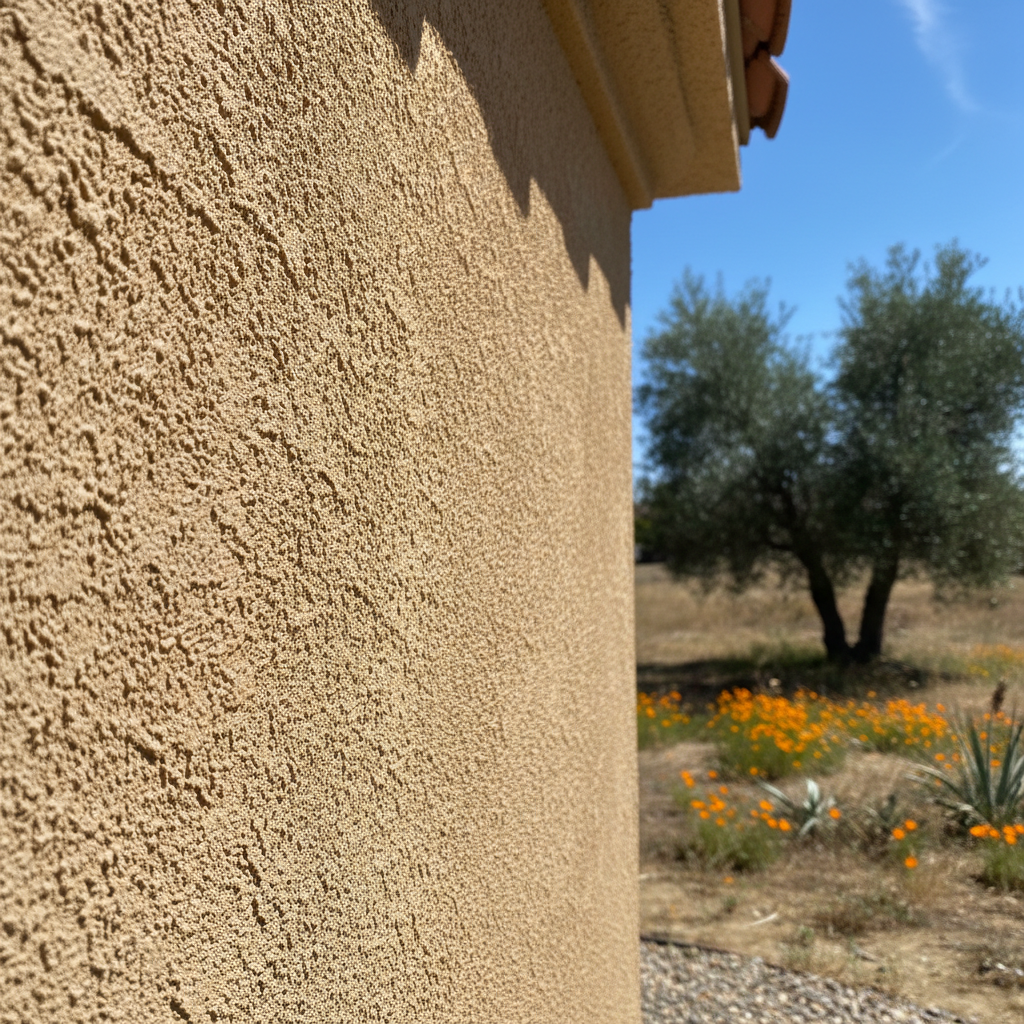
Alright, let's talk stucco inspections. If your Clovis home has stucco, you're bound to wonder eventually if it's still doing its job. I see this all the time, honestly. People get worked up over a tiny crack or a stain, unsure if it's a huge problem or just a surface thing. This isn't about scaring anyone; it's just about giving you the real scoop on what to look for, what you can fix yourself, and when you absolutely need to call in pros like us at Clovis Stucco & Plastering.
Before You Start: Get Your Head in the Game
First things first, understand that stucco is tough stuff, but it's not indestructible. Our hot, dry Clovis summers — and those occasional heavy downpours — really put it to the test. The biggest enemy of stucco? Water. If water sneaks behind it and just sits there, you're asking for trouble: mold, wood rot, the whole nine yards.
Before you even step outside, grab a notepad and a pen. You're going to be a detective, plain and simple. Think about your house: when was the stucco last touched? Any leaks inside? Any weird smells? These are all important clues.
DIY Visual Inspection: What You Can Spot
You can actually do a pretty good visual check yourself. Walk all the way around your house, get up close, and don't be shy about really examining things. Here's what I always tell homeowners to watch out for:
- Cracks: Not every crack is equally bad. Hairline cracks, especially those that look like a spiderweb or are thinner than 1/16th of an inch, are usually just cosmetic. They can pop up from normal settling or temperature shifts. But if you spot cracks wider than a credit card, or ones that form a grid pattern, or fan out from window and door corners, those are big red flags. These might signal structural movement or moisture getting in.
- Discoloration and Stains: Dark streaks, especially under windows, along rooflines, or near the foundation, typically mean water is going places it shouldn't. See white, powdery stuff? That's efflorescence. It's salt deposits left behind after water moves through the stucco and evaporates. Definitely a sign of moisture. Rust-colored streaks, on the other hand, could mean metal parts behind the stucco are corroding.
- Bulging or Blistering: If the stucco looks puffy or has bubbles, that's a serious sign of delamination. It means the stucco layers are coming off the wall, usually because moisture is trapped behind them.
- Hollow Sounds: Grab a rubber mallet or just use your knuckles. Gently tap the stucco. Good, solid stucco sounds, well, solid—like tapping a rock. If it sounds hollow or drummy, like tapping on a cardboard box, that's delamination.
- Mold or Mildew: Green, black, or brown patches, particularly in shady spots or where water tends to collect, point to constant dampness. This definitely indicates moisture problems.
- Sealant and Flashing: Check around your windows, doors, and where the stucco meets other materials (like your roof or deck). Are the sealants cracked, brittle, or just plain missing? Is the flashing — those metal strips — installed correctly? Improper flashing is a huge entry point for water, no doubt about it.
When to Call a Pro: The Moisture Meter and Beyond
If your DIY check turns up anything more than small hairline cracks or just some surface dirt, it's time to bring in a pro. This isn't just about patching a crack; it's about finding out what's causing the problem. A good stucco inspector, someone who really knows their stuff, will do more than just look.
- Moisture Testing: This is absolutely crucial. They'll use special moisture meters. Sometimes, this means drilling small, discreet holes (about 3/16”) into the stucco in suspicious areas, like around windows or where you saw stains, and inserting probes to get accurate moisture readings of the material underneath. Don't worry, they'll seal those holes up with color-matched caulk when they're done.
- Thermal Imaging: Some inspectors use thermal cameras to find temperature differences that can point to hidden moisture behind the stucco.
- Comprehensive Report: A professional inspection should give you a detailed report, complete with photos and recommendations. They'll tell you if it's a simple fix or if there's a bigger issue like water intrusion or structural damage.
Expect a professional stucco inspection to run anywhere from $500 to $1,500, depending on your home's size and how complicated the inspection is. It's an investment, but it can save you tens of thousands in future repairs.
After the Inspection: What's Next?
So, you've got the inspection report. Now what?
- Minor Issues: If it's just a few cosmetic hairline cracks, you can probably handle those yourself with a good quality, flexible exterior caulk. Just make sure the crack is clean before you apply it.
- Moderate Damage: If the report points to isolated damage like small areas of delamination or some water intrusion that hasn't spread, repair is often the best route. Repair means cutting out the damaged section and rebuilding it, matching your existing stucco. This is definitely a job for us or another experienced stucco contractor, believe me. Trying to just patch over significant moisture damage can create a much bigger headache later on.
- Extensive Damage: If the report shows widespread moisture intrusion, major delamination, or structural damage, then a full replacement might be necessary. This is a big project, no doubt, but it's vital for the long-term health of your home.
Don't ignore what you find. The dry climate here in Clovis can sometimes make us think we're immune to moisture problems, but even small leaks can cause huge headaches over time. Getting on top of stucco issues early means protecting your home and your wallet, too.