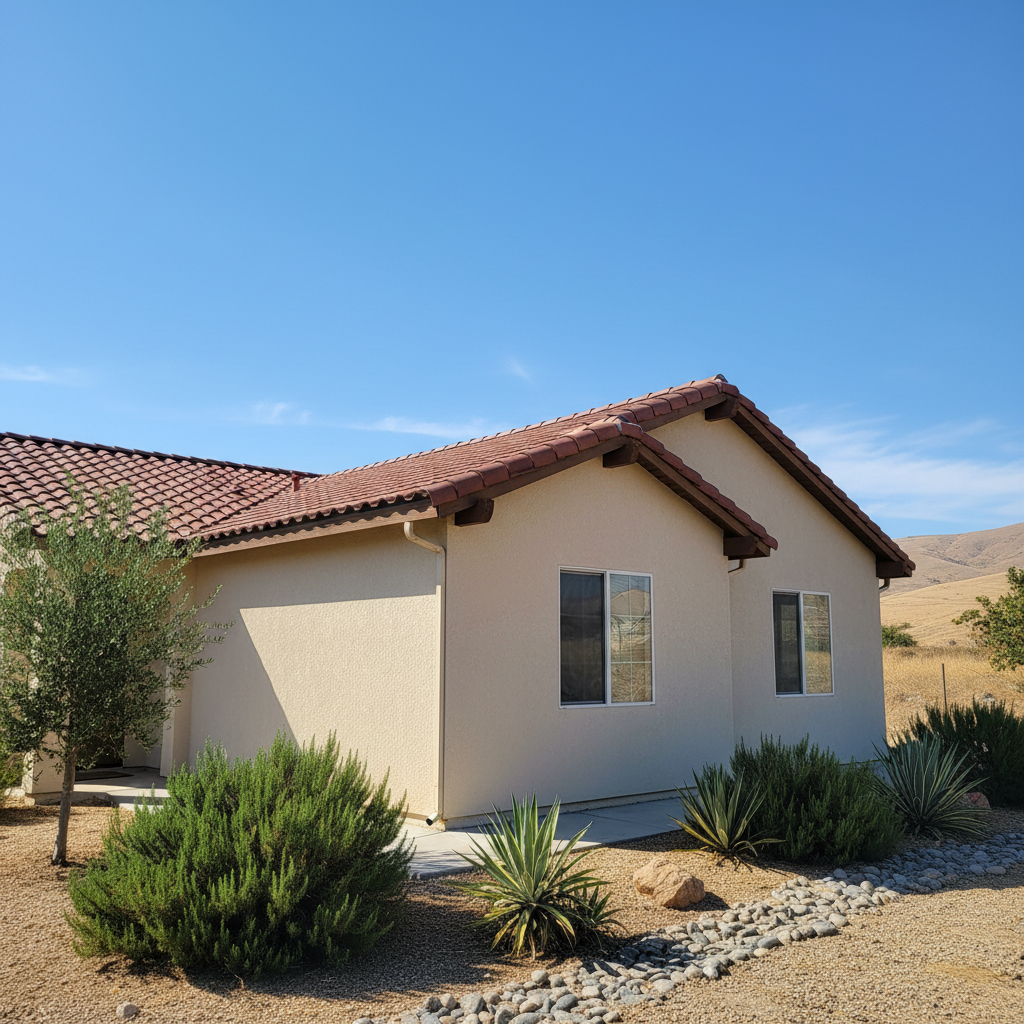
Alright, let's talk numbers. You're probably looking at your house, maybe it's got some tired old siding, or you're building new in one of those developments out by Loma Vista, and you're wondering what it's gonna cost to get some good, solid stucco on there. It's a smart move. Stucco holds up great to our Central Valley heat and it looks sharp. But what's the damage to your wallet?
I've been doing this for a long time here in Clovis, and I've seen all kinds of jobs, big and small. There's no one-size-fits-all answer, but I can give you some real figures and tell you what factors really push the price up or bring it down.
What Affects Stucco Installation Pricing?
A few big things dictate the final bill. You've got to consider these:
- New Construction vs. Re-stucco: If it's a brand new build, it's generally simpler. We're starting with a clean slate. Re-stuccoing an existing home often means tear-off of old siding, dealing with existing windows and doors, and sometimes finding surprises underneath. That adds labor and disposal costs.
- Square Footage: This one's obvious, right? Bigger house, more stucco, more material, more labor. We usually price by the square foot, but there's a base cost for any job, so smaller jobs might have a higher per-square-foot rate.
- Stucco System Type: Are we talking traditional three-coat stucco? Or a synthetic EIFS system? Traditional three-coat is usually a bit more material-intensive and takes longer to apply, but it's incredibly durable. EIFS can be quicker and offer better insulation, but the material cost can be higher. Most folks around here stick with traditional, and for good reason.
- Finish Texture: A smooth finish like a Santa Barbara or a fine sand finish takes more skill and time to get just right compared to a heavier lace or skip trowel. More intricate textures mean more labor.
- Architectural Details: Lots of corners? Arches? Pop-outs? Decorative bands? All these fancy bits mean more cutting, more flashing, more careful application, and more time. A simple, flat wall is much faster to stucco than a house with a lot of architectural flair.
- Accessibility: Is your house on a flat lot with easy access for scaffolding and material delivery? Or is it on a tight lot, maybe with a steep slope, or a bunch of landscaping we have to work around? Difficult access adds time and can require specialized equipment.
- Repairs & Prep Work: If we're re-stuccoing, sometimes we find dry rot, damaged sheathing, or other issues once the old stuff comes off. We'll always let you know, but these unexpected repairs will add to the cost.
Typical Stucco Installation Cost Ranges in Clovis
Okay, let's get to the numbers you're looking for. Keep in mind these are ranges, and your specific project could be higher or lower depending on those factors I just mentioned. These figures include materials, labor, and basic site prep/cleanup.
- New Construction (Traditional 3-coat): You're generally looking at anywhere from $7 to $12 per square foot of wall surface. A 2,000 sq ft single-story home might have around 1,500-1,800 sq ft of exterior wall surface. So, that's roughly $10,500 to $21,600.
- Re-stucco (Tear-off & Replace, Traditional 3-coat): This is usually more. Expect $9 to $16 per square foot. The tear-off, disposal, and potential for repairs drive this up. For that same 2,000 sq ft home, you could be looking at $13,500 to $28,800.
- Synthetic Stucco (EIFS): If you go this route, the material cost is higher, but it can be faster to install. Expect $10 to $18 per square foot for new installation.
- Small Repairs: For patching cracks or small damaged areas, contractors often have a minimum charge, usually around $500 to $1,000, even for a relatively small job, because of the time involved in setup, matching texture, and cleanup.
These numbers are based on what we see around here, from the older homes in the Tarpey Village area to the newer builds further east. Our climate means we often deal with expansion and contraction, so proper flashing and weep screeds are crucial, and good contractors factor that into their pricing.
What Should Be Included in a Quote?
When you get a quote from Clovis Stucco & Plastering, or anyone else, make sure it's detailed. A good quote should clearly outline:
- Scope of Work: What exactly are they doing? New stucco? Re-stucco? Repairs? What areas of the house?
- Stucco System: Is it traditional three-coat? One-coat? EIFS?
- Materials: What type of lath, scratch coat, brown coat, and finish coat are they using? What brand?
- Surface Prep: What steps are included for preparing the existing surface or new sheathing?
- Flashing & Weep Screeds: This is critical for water management. Make sure it's specified.
- Texture & Color: What finish texture and color will be applied?
- Cleanup & Debris Removal: Who's responsible for hauling away the old stucco or construction waste?
- Warranty: What kind of warranty do they offer on their work?
- Payment Schedule: How much upfront? When are progress payments due?
Don't just accept a number on a napkin. You need to know what you're paying for.
How to Avoid Overpaying
Here's my best advice:
- Get Multiple Bids: Don't just go with the first guy. Get at least three detailed quotes. This helps you compare apples to apples.
- Check References & Licenses: Always, always, always verify their contractor's license (CSLB.ca.gov) and ask for references. Call those references!
- Don't Go Too Cheap: If one bid is drastically lower than the others, be wary. They might be cutting corners on materials, labor, or not carrying proper insurance. That'll cost you more in the long run.
- Understand the Contract: Read every word. If you don't understand something, ask. Don't sign until you're completely clear.
- Communicate: Keep an open line of communication with your contractor throughout the project. Any changes should be in writing.
Stucco is a big investment in your home. Done right, it'll last for decades and look fantastic. Done wrong, it's a headache and an expensive fix. Take your time, do your homework, and you'll get a great result.