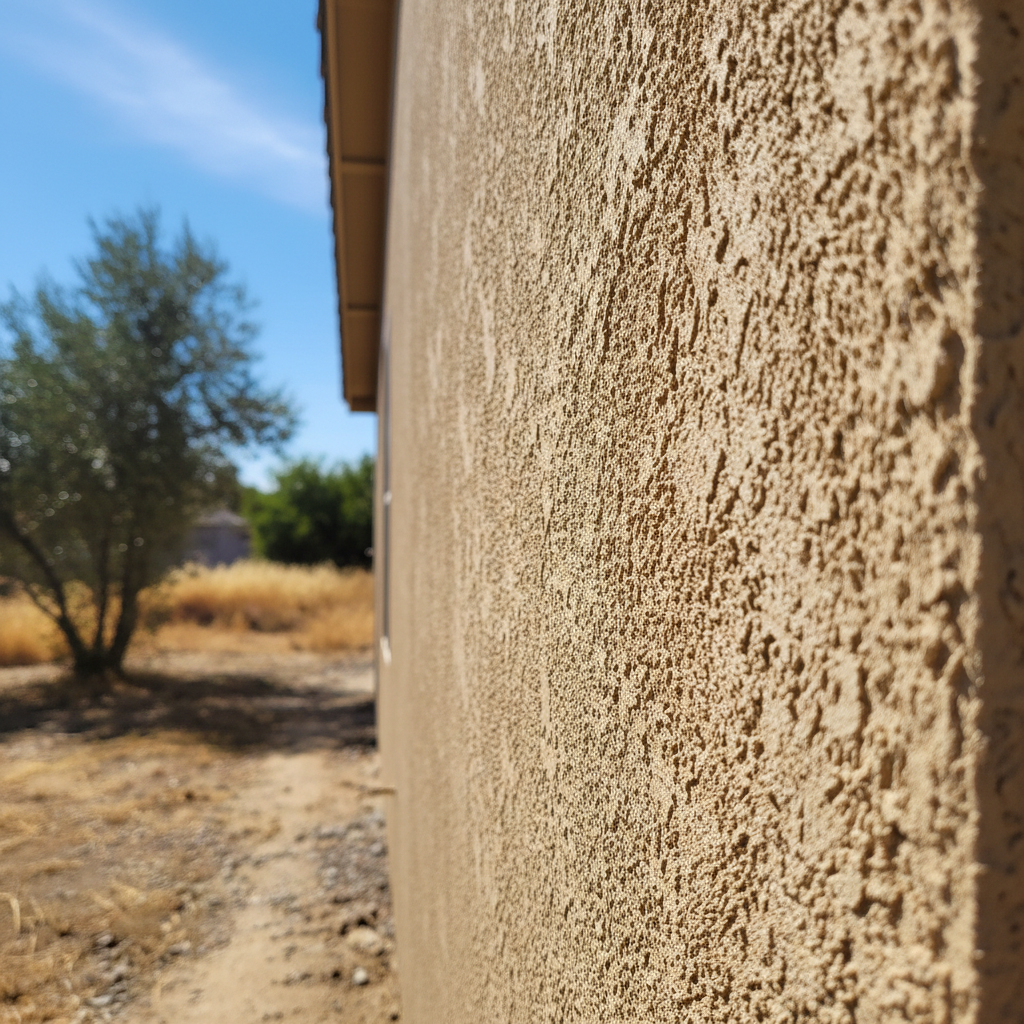
Got stucco on your house? Most homes around here in Clovis do, especially those built in the last few decades. It's a great, durable finish, but like anything else, it needs attention sometimes. People often ask me, "Can I fix this myself?" or "What should I even look for?" Let's break down what you need to know about residential stucco projects, from start to finish.
Before You Start: Planning and Assessment
First things first, you've got to figure out what you're dealing with. Is it a small crack? A big hole? Or are you looking at a whole wall that just doesn't seem right anymore? Be honest with yourself about your skills and your time. A small hairline crack? Yeah, you might be able to patch that up yourself. But if you've got a whole section of stucco that's crumbling or looks like it's holding moisture? That's probably a job for someone who does this every day.
Here's what I always tell folks to check for:
- Cracks: Hairline cracks are common and usually just cosmetic. Bigger cracks, especially those wider than a credit card, can signal something more serious, like structural movement or water getting in.
- Discoloration or Stains: Dark streaks, particularly under windows or near the roofline, often mean water is sneaking in where it shouldn't. You really shouldn't ignore these.
- Bulging or Soft Spots: If you push on the stucco and it feels soft, or you see parts that are bulging out, that's a red flag. It usually means moisture is trapped behind it, and you could be looking at wood rot or mold.
- Overall Condition: Is the paint peeling? Is the texture uneven? Sometimes it's just time for a refresh, not a major repair.
If you're seeing anything more than a tiny crack, or if you're just not sure, get a professional opinion. It's always better to know what you're up against early than to find out later when it's a much bigger, more expensive problem. We've seen plenty of homes in the Old Town area, for example, where older stucco systems were failing because they weren't designed for modern weatherproofing standards.
During the Project: DIY vs. Pro Work
Okay, so you've assessed the situation. Now, who's doing the work?
DIY Stucco Repair (Small Jobs)
If you're tackling a small, cosmetic crack, here's the basic rundown. You'll need some stucco patch compound, a trowel, and maybe some sandpaper. Clean out the crack thoroughly, making sure there's no loose debris. Apply the patch compound, feathering it out to match the existing texture as best you can. Let it dry completely, then you might need to paint it to match. It's not rocket science, but getting the texture to blend perfectly can be tricky. Practice on a scrap piece if you can.
For small patches, you're mostly dealing with the finish coat. If you have to go deeper, into the base coats, that's when things get more complicated. You'll need to understand lath, scratch coats, and brown coats, and that's usually where homeowners get in over their heads. Plus, matching existing stucco texture, especially on older homes with unique finishes, is an art form. It's not just slapping mud on a wall, believe me.
When to Call a Pro (Most Jobs)
Look, for anything beyond a hairline crack or a tiny ding, you really should call a stucco contractor. Here's why:
- Water Management: This is huge. Stucco isn't just a pretty finish; it's part of your home's weather barrier. If it's not installed or repaired correctly, you're basically inviting water into your walls, which leads to rot, mold, and expensive damage. Professionals understand flashing, weep screeds, and proper drainage planes.
- Matching Existing Stucco: Getting the color and texture to blend seamlessly is tough. We've got years of experience mixing custom colors and replicating different finishes, whether it's a smooth Santa Barbara finish or a rougher dash coat.
- Tools and Materials: We've got the right tools for the job, from specialized trowels to mixing equipment. We also know which materials work best for our climate here in Clovis – materials that can stand up to our hot summers and occasional heavy rains.
- Safety: Working on ladders, especially on two-story homes, can be dangerous. Leave that to the insured pros.
- Warranty: A reputable company like Clovis Stucco & Plastering will stand behind their work. If something goes wrong, we'll fix it. You don't get that kind of assurance doing it yourself.
If you're dealing with anything like widespread cracking, stucco falling off, or signs of water intrusion, don't try to DIY it. You'll likely spend more money in the long run fixing your own mistakes.
After the Project: Maintenance and Upkeep
So, the stucco project is done, whether you did a small patch or hired us for a big repair. Now what? Maintenance is key to making sure your stucco lasts.
- Keep it Clean: Periodically wash your stucco with a soft brush and mild detergent. Power washing can be okay, but use a low-pressure setting and keep the nozzle moving. Too much pressure can damage the finish.
- Inspect Regularly: Walk around your house a couple of times a year. Look for new cracks, discoloration, or anything that looks off. Catching problems early is always cheaper.
- Manage Water: Make sure your gutters are clean and directing water away from your foundation. Check that your sprinklers aren't constantly hitting the stucco. Water, after all, is stucco's biggest enemy.
- Sealants: If you have expansion joints or areas where stucco meets other materials (like windows or doors), check the sealants. Re-caulk as needed to keep water out.
Stucco is a fantastic, low-maintenance exterior, but "low-maintenance" doesn't mean "no maintenance." A little bit of attention goes a long way in protecting your investment and keeping your home looking good for years to come.
Don't hesitate to reach out if you've got questions or need a hand with your stucco. That's what we're here for.