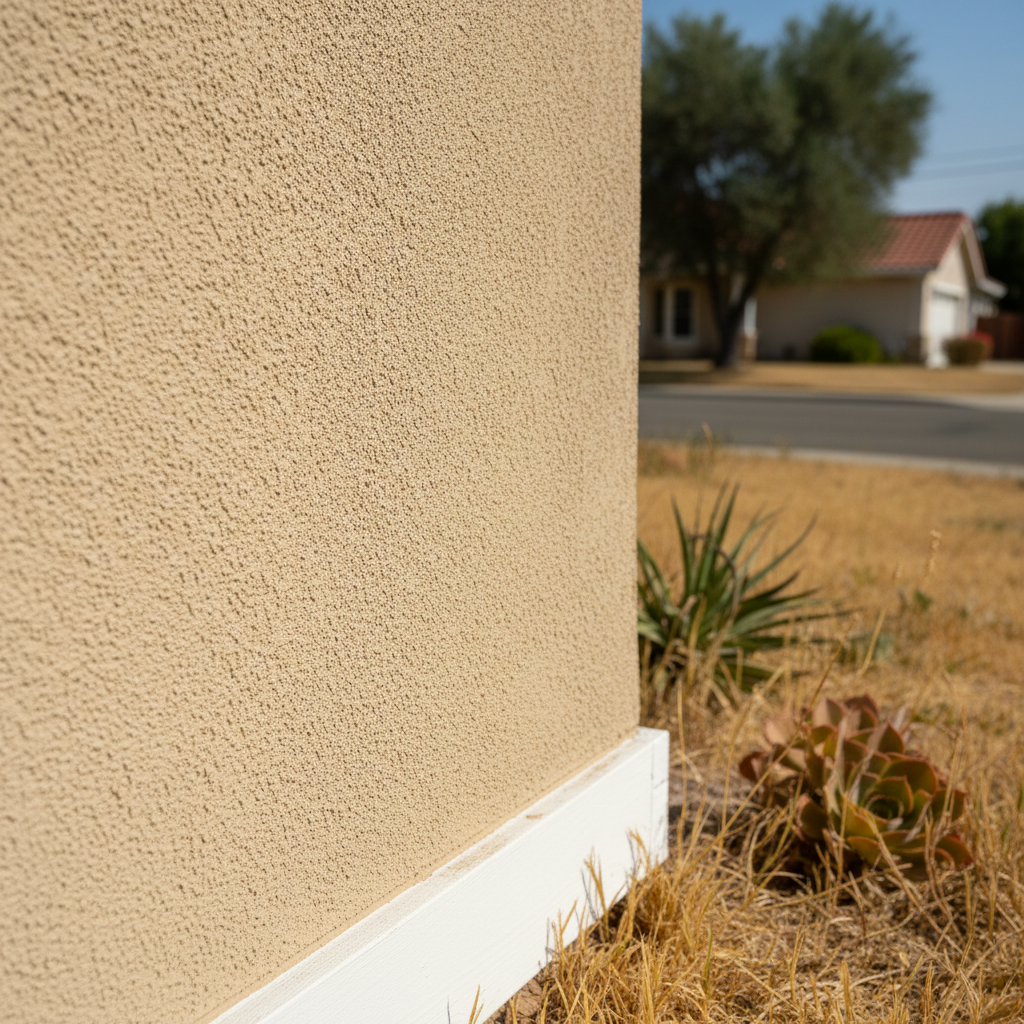
So, you're eyeing your stucco and thinking it's definitely seen better days, huh? Maybe it's faded, got a few small cracks, or just doesn't have that crisp look it used to. You've probably heard the term 'redashing' thrown around, and now you're wondering if that's the right move for your place. As a local stucco guy who's been working on homes all over Clovis for years, I get a ton of questions about this. Let's just cut through all the jargon and get right to what you really need to know about stucco redashing.
What exactly is stucco redashing, anyway?
Alright, let's get this straight first. Redashing, which sometimes folks call resurfacing, is when we put a new, thin layer of stucco right over your existing stucco. It's not like a full tear-off and re-stucco job, which is a much bigger project. Think of it more like giving your house a fresh coat of skin, if you will. We're just refreshing how it looks, covering up any minor flaws, and generally making it appear new again.
How do I know if my stucco needs redashing versus a full re-stucco?
This is probably the question I hear most often. Redashing is fantastic for cosmetic stuff. If your stucco just looks tired, maybe faded from all those years of Central Valley sun, or has a bunch of tiny hairline cracks, redashing can really do wonders. It's also a solid choice if you want to change the color or texture without going through a complete overhaul. But if you've got bigger problems—like cracks wider than an eighth of an inch, soft spots, bulging areas, or signs of water getting in and causing mold—then you're likely looking at a full re-stucco or even some remediation work. Those bigger issues mean there's something serious going on underneath the surface that a simple redash just won't fix. We've really got to get to the bottom of that problem.
What's the process for redashing my stucco?
It's definitely not just about slapping on some new material, trust me. First off, we have to inspect your existing stucco really thoroughly to make sure it's even a good candidate for redashing. We're checking for any damage underneath that needs fixing before we even think about a new layer. Then, we clean the surface super well, getting rid of all the dirt, grime, and any loose bits. Any larger cracks get filled in, naturally. Sometimes, we'll put on a primer or a bonding agent to help the new stucco stick better, especially if the old surface is painted. Then comes the new finish coat. We apply it evenly, making sure it matches the texture you picked out. After that, it's all about proper curing, which means keeping it moist for a few days so it hardens correctly and doesn't crack.
How long does redashed stucco last?
If it's done correctly, redashed stucco can stick around for decades. Traditional stucco itself is incredibly tough, often lasting 50 to 80 years or even more with good maintenance. A redash essentially gives that existing, solid base a whole new lease on life. The lifespan really comes down to the quality of the original stucco, how well the redash is applied, and how you take care of it afterward. Regular cleaning and keeping an eye out for any new cracks or damage will help it last a good long time.
Can I change the color and texture when I redash?
You absolutely can! That's one of the best parts about redashing. You can totally refresh the look of your home. We can mix pigments right into the stucco for a lasting color, or you can paint it later if you prefer. As for texture, oh man, there are a bunch of options: smooth, sand, dash, lace, even Santa Barbara. We can match your existing texture, or you can go for something completely different to give your home a whole new vibe. Just keep in mind that some textures, like a smooth finish, are harder to get perfect and might cost a little more.
How long does the redashing process take, including drying?
The actual putting on of the new stucco layer usually doesn't take too long—maybe a few days for an average-sized house, depending on the crew size and how complicated the job is. But here's the real kicker: drying and curing. Each coat of stucco needs time to dry, typically one to three days. The finish coat will feel dry to the touch pretty quickly, often within 24 to 48 hours. But for the stucco to fully cure and get to its maximum strength, you're looking at about 28 days, and sometimes even up to 90 days for a complete structural cure. You can usually paint after about 30 days. We've just got to be patient with this part, especially with our hot Clovis summers. If it dries too fast, it can crack. That's why proper misting during the curing process is so important.
What are the best weather conditions for redashing in Clovis?
Our Central Valley weather can be a bit tricky for stucco work, as you might imagine. The ideal temperature range for applying stucco is generally between 50°F and 90°F. You really want dry, mild days. Putting stucco on when it's too hot and dry, like in the middle of a Clovis August, can make it dry too quickly and cause cracks. Too cold, and the curing process slows down too much, which can also lead to problems. Rain is a definite no-go for fresh stucco. So, usually, spring and fall are prime times around here. We're always keeping a close eye on the forecast to pick the best window for your project.
Why should I choose Clovis Stucco & Plastering for my redashing project?
Look, I've been doing this for a long time, right here in Clovis. I know the local climate, the common issues we see with homes in neighborhoods like Old Town or the newer builds out by Loma Vista, and what it takes to make stucco last in our specific conditions. We don't cut corners. We focus on proper preparation, quality materials, and careful application because your home is a big investment. You want a job that looks good, sure, but more importantly, you want it to protect your home for years to come. That's exactly what we deliver.