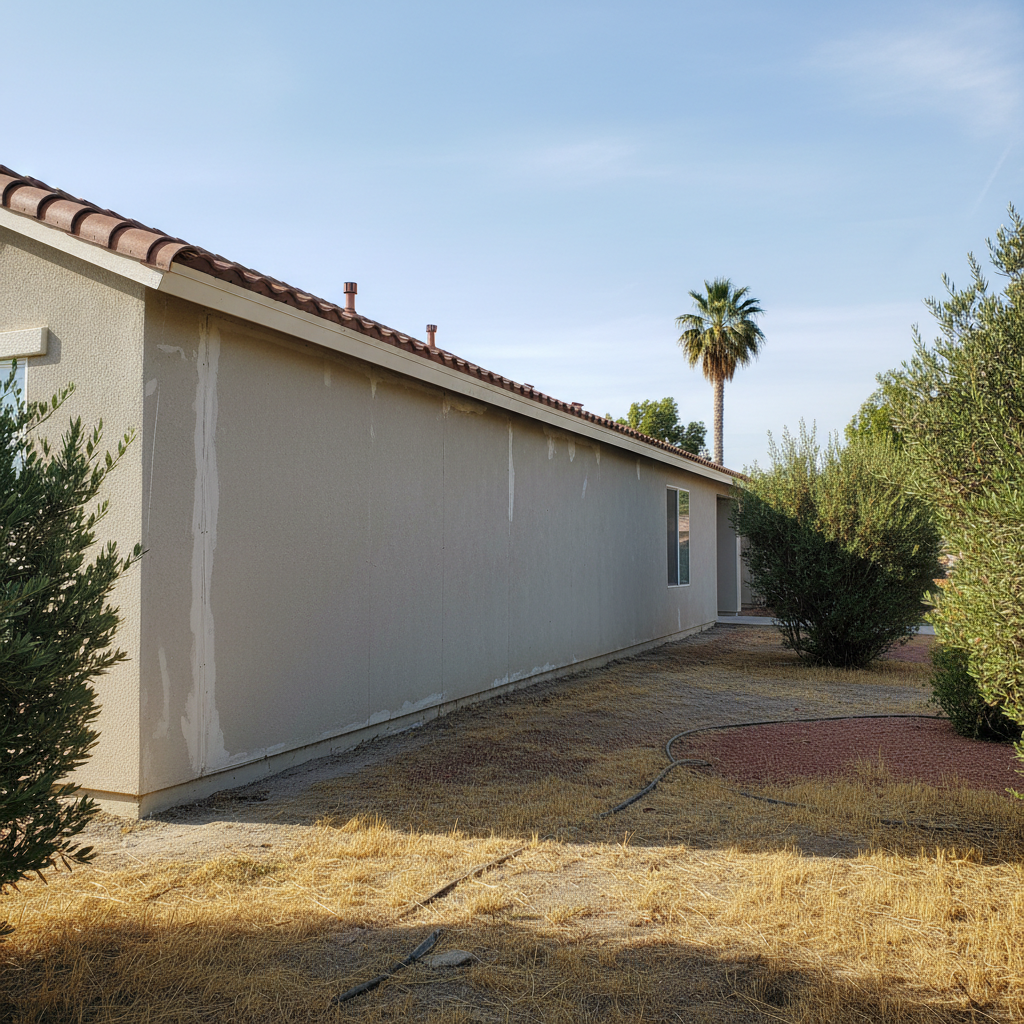
So, you've finally finished the whole stucco removal process. Maybe you wanted a new look for your house, or you had to fix some water problems, or you just felt like a fresh start. Whatever your reason, that's a huge project, and you really want to make sure your new exterior lasts. I totally get it. I've been doing this work a long time, and I've seen what happens when people don't keep up with their homes. It's never good, and it always costs way more down the road.
Making Your New Exterior Last Longer
Once that old stucco is gone and your new siding is up – whether it's fiber cement, wood, or something else – the main goal is protection. It's kind of like buying a new car; you wouldn't just drive it off the lot and never wash it, right? Same principle here.
First off, good paint really matters. Seriously, don't cheap out on the paint. A high-quality exterior paint isn't just for looks; it's your main defense against the weather. We get some intense sun here in Clovis, especially during those long, hot summers. UV rays are brutal on paint, making it fade, crack, and peel. A good paint job, done correctly with quality materials, will hold up much, much longer. You might think about a lighter color if you're worried about heat, but honestly, it's mostly about the paint's quality and getting it applied right.
Also, make sure your gutters and downspouts are in perfect working order. This sounds super basic, but you'd be surprised how many issues start because of bad drainage. Water running down your walls, pooling around the foundation, or splashing back onto the siding is just asking for trouble. Keep them clean, double-check they're sloped correctly, and direct that water away from your house. This is especially crucial during our rainy season when we can get a ton of water all at once.
Regular Upkeep: What You Need to Do
You don't need to be a contractor to keep an eye on things. A little regular attention goes a long way. Here's what I always tell my clients:
- Wash it Down Annually: Grab a soft brush and some mild detergent, or use a low-pressure power washer (and I mean *low* pressure, don't blast your siding off) to clean your exterior once a year. This gets rid of dirt, grime, and mildew that can build up, especially on the north-facing sides of your house that don't get much sun.
- Check Your Paint: Walk around your house every spring and fall. Look for any spots where the paint might be blistering, peeling, or cracking. Catching these small issues early means you can touch them up before they turn into bigger, more expensive problems.
- Inspect Sealants: Take a look at the caulking around windows, doors, and any openings like dryer vents or hose bibs. These sealants are absolutely vital for keeping water out. If you see cracks or gaps, scrape out the old stuff and reapply a good quality exterior sealant.
- Landscaping Check: Keep plants, bushes, and trees trimmed back from your house. They can trap moisture against the siding, encourage mildew growth, and even create pathways for pests. You really want good airflow around your home.
Signs of Trouble to Watch Out For
You've got a new exterior, so you want to be on top of things. Here are some red flags that should make you pay attention:
- Discoloration or Stains: Dark streaks, green patches (that's algae or mildew), or rust-colored stains all signal that something's not quite right. It could be a leak, bad drainage, or just a spot that needs cleaning, but it's worth checking out.
- Cracking or Warping: If you see your new siding cracking, bowing, or warping, that's a serious problem. It might mean moisture issues behind the siding, improper installation, or even structural movement.
- Peeling Paint: Beyond a tiny chip, large areas of peeling paint mean the surface isn't protected anymore. Don't ignore it.
- Soft Spots: If you press on your siding, especially near the bottom or around windows, and it feels soft or spongy, that's a huge red flag for rot or water damage. This needs immediate attention.
- Pest Activity: Holes, nests, or visible pest activity in or around your siding can mean critters are getting in. They just love damp, protected spaces, and can cause significant damage.
When to Call a Professional
Look, I'm a big fan of DIY when it makes sense, but some things are just better left to the pros. You should definitely call someone like us at Clovis Stucco & Plastering, or another reputable contractor, if you notice any of these:
- Extensive Water Damage: If you think you have, or confirm, significant water intrusion, don't try to patch it yourself. Water damage can lead to mold, rot, and structural issues that need specialized knowledge to fix correctly.
- Large Areas of Siding Damage: If big sections of siding are cracked, warped, or falling apart, it's not a simple repair. You need someone who knows how to properly remove and replace panels, making sure the weather barrier behind it is still doing its job.
- Persistent Stains or Mildew: If you've cleaned your house and the stains or mildew keep coming back quickly, there's an underlying moisture issue that needs to be found and fixed.
- Suspected Structural Issues: Any signs that your house is settling, shifting, or has foundation problems that are affecting the exterior should be handled by a structural engineer or an experienced general contractor.
- You're Just Not Sure: Honestly, if you're not sure what you're looking at, or if a problem seems bigger than a quick fix, just call. A professional can assess the situation, give you an honest opinion, and help you avoid turning a small problem into something much worse. It's always better to get an expert opinion early than to wait until it's a major headache and a huge bill.
Taking care of your home's exterior isn't just about curb appeal; it's about protecting your biggest investment. A little vigilance now can save you a lot of money and stress later on.